

According to the National Highway Traffic Safety Administration, wearing a bicycle helmet can reduce the risk of head injury by 85 percent. Despite this, many people do not wear helmets while biking. This may be because they do not know enough about helmet safety. In order to ensure that you are safely protected while riding your bike, it is important to understand the different types of helmets available and what type is best for you.
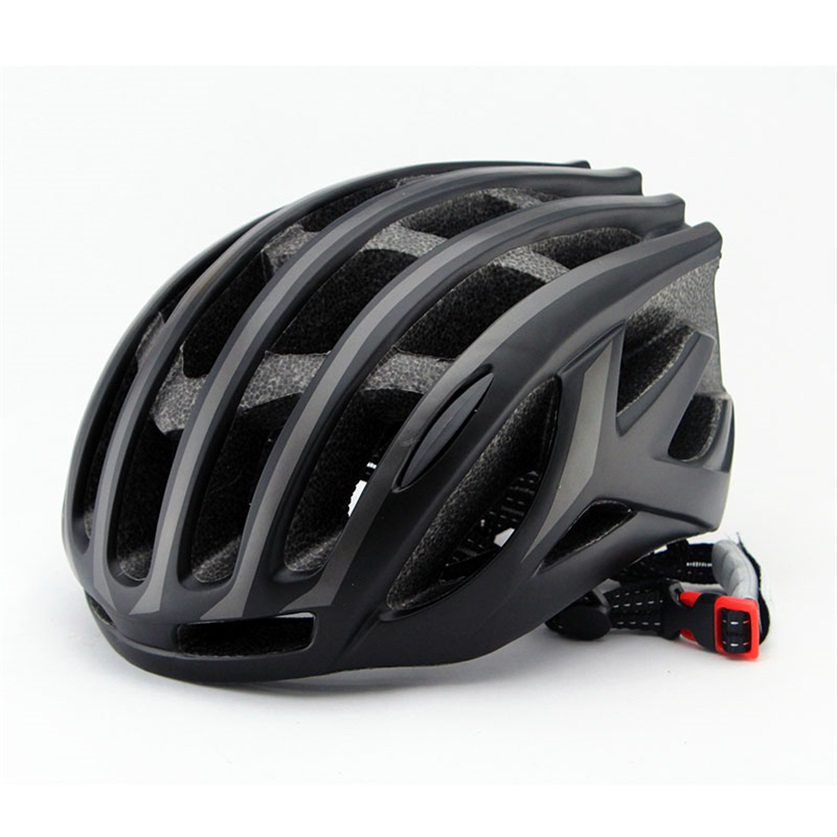
Why bike helmets safety are important
The National Highway Traffic Safety Administration (NHTSA) reports that in 2013, 857 bicyclists were killed in traffic crashes and an additional 48,000 were injured. Many of these injuries and fatalities could have been prevented by wearing a bicycle helmet. In fact, the NHTSA reports that wearing a helmet reduces the risk of head injury by 85 percent. Despite these facts, many people do not wear helmets while riding a bike.
Helmets are an important part of cycling safety. Here are the facts you need to know about bike helmet safety:
1. A study by the Insurance Institute for Highway Safety found that cyclists wearing helmets are less likely to suffer a head injury in a crash than those who don't wear helmets.
2. The same study found that cyclists who wear helmets are also less likely to suffer fatal injuries in a crash.
3. In a study of children, investigators found that those who wore helmets were less likely to suffer head injuries and more likely to be hospitalized.
4. Cyclists who wear helmets are more likely to survive a crash than those who don't.
5. A study by the National Highway Traffic Safety Administration found that cyclists wearing helmets were less likely to die or suffer serious injuries in a crash than those without helmets.
Types of bike helmets
There are a variety of bike helmets available on the market, but not all helmets are created equal. In order to ensure that you are buying a helmet that will protect you in the event of an accident, it is important to know the different types of bike helmets available and what each type is designed to do.
The three main types of bike helmets are road biking helmets, mountain biking helmets, and commuter/urban cycling helmets.
- Road biking helmets are designed to be lightweight and provide good ventilation for long rides. They typically have more vents than mountain biking helmets in order to allow air to flow over the head and keep the rider cool.
- Mountain biking helmets are heavier than road biking helmets and have more coverage around the back and sides of the head since they are designed to protect riders from crashes during off-road rides.
- commuter/urban cycling helmets are designed to be lightweight with good ventilation and coverage for city riding. They typically have less ventilation than mountain biking helmets in order to keep the rider cool during rides.
The most important factor when choosing a helmet is fit. A helmet that is too large will not provide the protection you need, while a helmet that is too small can lead to injury. The only way to ensure a proper fit is to try on several helmets of different sizes.
How to wear a bike helmet correctly
There are 7 steps for ensuring you wear a bike helmet correctly:
1. Lay the helmet on a flat surface.
2. Place two fingers at the top of the helmet and pull back gently.
3. Slide your fingers to the front of the helmet and then around to the back of the helmet, where it comes together with the strap.
4. Make sure the helmet is sitting flat on your head and not tilted to one side or the other. Your ears should be level with the front of the helmet.
5. The helmet should fit snugly, but not too tight.
6. Secure the helmet strap with the buckle.
7. Wear the helmet over your head, with the chin strap in place and tightened, so that it rests comfortably on your neck as you move around.
When we put on our bike helmets, we are safeguarding our heads from harm. We are also protecting our clothes and other parts of our bodies from being damaged by road debris. We are using our bike helmets to make sure that we can ride safely on the roads.
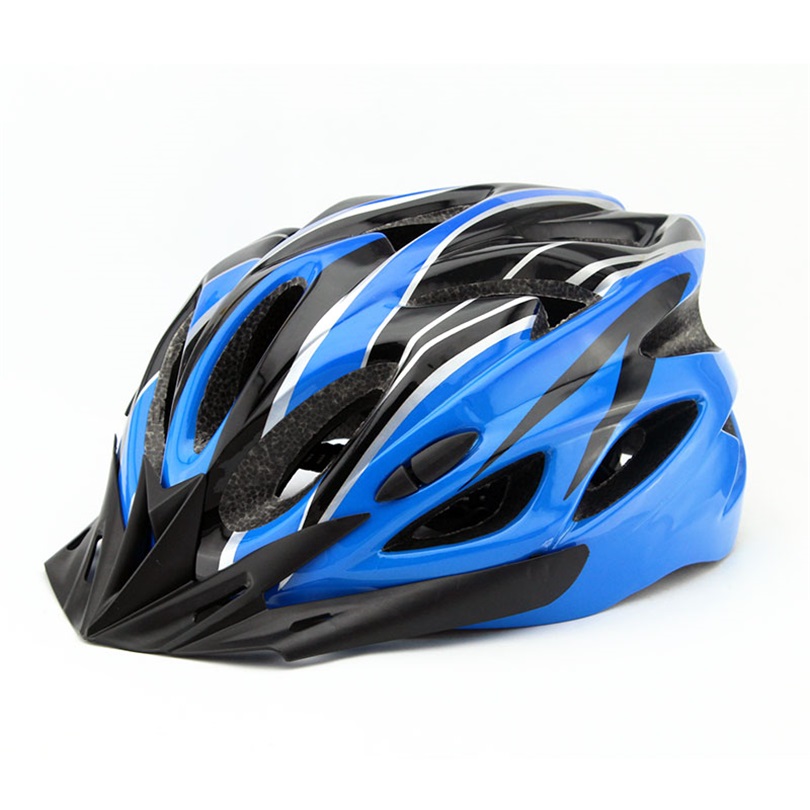
Bike helmet safety tips
Bike helmets are an important part of cycling safety gear. They can help protect your head in the event of a fall or crash. Here are some tips for choosing and using a bike helmet:
-Choose a helmet that fits well. The helmet should fit snugly on your head and should not move around when you shake your head.
-Make sure the helmet has a CPSC sticker on it. This is the rating given to helmets by the Consumer Product Safety Commission.
-Always wear your helmet when riding a bike. Helmets can help prevent serious injuries in the event of a crash.
-Never modify your helmet or add additional accessories, such as stickers or feathers. These modifications can make the helmet less effective in protecting your head in case of a fall or crash.
bike helmet safety statistics
Fact: Wearing a bike helmet can reduce the risk of head injury by 85 percent.
In 2013, there were 818 bicyclists killed in crashes with motor vehicles, and an estimated 484,000 people were treated in emergency departments for bicycle-related injuries.
Bicycle helmets are estimated to be 37 percent effective in preventing fatal injuries and 58 percent effective in preventing nonfatal head injuries.
Despite their proven safety benefits, only about 34 percent of bicyclists wear helmets all or most of the time.
Helmet use has been shown to be especially low among children aged 10-14, who account for more than a third of all bicycle fatalities.
Wearing a properly fitted bike helmet reduces the risk of head injury by 85 percent, and the risk of serious injury by 74 percent.
bike helmet safety standards
Helmets are an important part of cycling safety, but with so many on the market, how do you know which one to choose? And what`s the difference between a bike helmet and a motorcycle helmet?
Bike helmets are designed to protect your head in the event of a fall or collision. They should fit snugly and cover your forehead, temples, and the back of your head. The straps should be tight enough that the helmet doesn`t move around when you shake your head.
All bike helmets sold in the United States must meet Consumer Product Safety Commission (CPSC) standards, which are set by the government to ensure that helmets protect against serious head injuries. However, not all helmets meet these standards.
bike helmet safety ratings
Bike helmet safety ratings are important to consider when purchasing a helmet. The National Highway Traffic Safety Administration (NHTSA) rates helmets on a five-star scale, with a five-star rating being the best. A four-star helmet is considered good, while a three-star helmet is considered adequate. A two-star or less helmet is not recommended.
The NHTSA bases its ratings on the performance of the helmets in three areas: impact protection, penetration resistance, and rider comfort and ventilation. Impact protection is how well the helmet absorbs energy from an impact. Penetration resistance is how well the helmet prevents objects from penetrating through to the head. Rider comfort and ventilation measure how well the helmet allows air to flow through it, keeping the head cool.
Helmets that have passed these tests are labeled with a sticker indicating their rating.
mountain bike helmet safety ratings
There are several organizations that test and rate bicycle helmets. The two most prominent are the United States Consumer Product Safety Commission (CPSC) and the Snell Memorial Foundation.
The CPSC is a government agency that tests helmets according to their safety standards. They usually certify a helmet if it meets their standards. The Snell Memorial Foundation is a private, non-profit organization that was created in 1957. They have more rigorous testing standards than the CPSC and will not certify a helmet unless it passes its tests.
Both organizations have different rating systems, but both use a star system with 5 stars being the best rating. A helmet that has been certified by the CPSC will generally have at least 3 stars, while a Snell Memorial Foundation certified helmet will have 4 or 5 stars.
dirt bike helmet safety ratings
Helmet use has been shown to reduce the risk of head injuries by up to 88 percent, which is why wearing a helmet is required by law in many states. However, just because a helmet meets safety standards doesn`t mean it`s right for you. When choosing a dirt bike helmet, be sure to consider the following:
The type of riding you will be doing. If you will be primarily riding trails, an off-road specific helmet may be a better option than a street helmet.
The size and shape of your head. Not all helmets are created equal – find one that fits your head snugly and doesn`t move around when you shake your head.
The weight of the helmet. Heavier helmets can be more cumbersome to wear, especially on long rides.
The ventilation system. Ӧear the helmet and make sure it has vents to move air around your head.
The fit of the helmet. Make sure the helmet fits snugly over your ears, cheeks and jaw to prevent any rattling and other noise that can be distracting.
Recommendations for safe bike helmets in our shop
The National Highway Traffic Safety Administration (NHTSA) recommends that all cyclists wear helmets while riding, and the Centers for Disease Control and Prevention (CDC) agrees. In order to ensure your safety while cycling, it is important to choose a helmet that meets the safety standards set by the Consumer Product Safety Commission (CPSC). Bike helmets sold in the U.S. must meet these standards.
When selecting a bike helmet, look for one that is labeled as meeting the CPSC standard. The helmet should also fit snugly on your head and not wobble or move when you shake your head. It is also important to replace your bike helmet every five years, or sooner if it is damaged.
Here are some of our recommendations for safe bike helmets:
The Bell Hub Helmet is a great option for urban cyclists. The Bell Super 2 is a lightweight carbon fiber helmet. It's a great option for those who are looking for a strong and light helmet.
The Bell Moto 2 is a popular choice for road cyclists.
Conclusion: Get a bike helmet for safety
In conclusion, bike helmets are important pieces of safety gear for cyclists of all ages. Wearing a bike helmet is the best way to protect yourself while riding a bike. Bike helmets must meet safety standards set by the Consumer Product Safety Commission in order to be sold in the United States. There are also helmet ratings available to help consumers choose the best helmet for their needs.
Wearing a bike helmet can help prevent serious injuries in the event of a crash. They protect against head injuries in the event of a crash or fall and are required by law in some jurisdictions. There are a variety of bike helmet standards and ratings to choose from, so it is important to do your research before purchasing one.