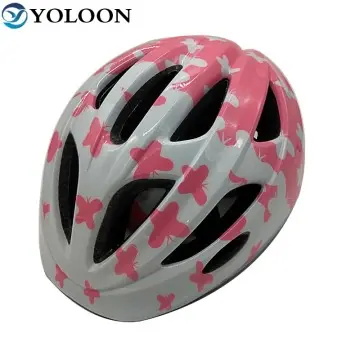
1. Impact Absorption: Children Cycling Helmets are designed to absorb and dissipate the force of an impact. They are constructed with a hard outer shell made of materials like polycarbonate or ABS, which helps to distribute the force of impact over a larger area. Inside the helmet, there is a layer of energy-absorbing foam, typically made of expanded polystyrene (EPS). This foam compresses upon impact, absorbing and dispersing the force before it reaches the head.
2. Fit and Retention System: A properly fitting helmet is crucial for optimal protection. Children's bicycle helmets are equipped with adjustable straps and retention systems such as a chin strap or a dial-adjustable fit system. These features help to secure the helmet firmly on the head, ensuring a snug and comfortable fit. A secure fit prevents the helmet from shifting or coming off during a fall, providing continuous protection.
3. Coverage and Shell Design: Children's bicycle helmets are designed to cover the entire head, providing protection to the vulnerable areas, such as the forehead and temples. The helmet's shell extends around the sides and back of the head to offer comprehensive coverage. Additionally, Kid Helmet often have an extended rear coverage, known as the "in-mold" design, providing additional protection to the back of the head.
In conclusion, children's bicycle helmets protect by absorbing and dispersing the force of an impact, securing firmly on the head, covering vulnerable areas.It is essential to ensure that your child wears a properly fitting and certified helmet every time they ride a bicycle to minimize the risk of head injuries.