

Mountain bike helmets are designed to protect the head from injuries in the event of a fall. They have a hard outer shell and a thick layer of foam padding to absorb impact. Many helmets also have a visor to protect the face from flying debris and branches. The visor can also be used to shield the eyes from the sun. Some riders find it helpful to keep the visor down when going downhill to avoid glare.
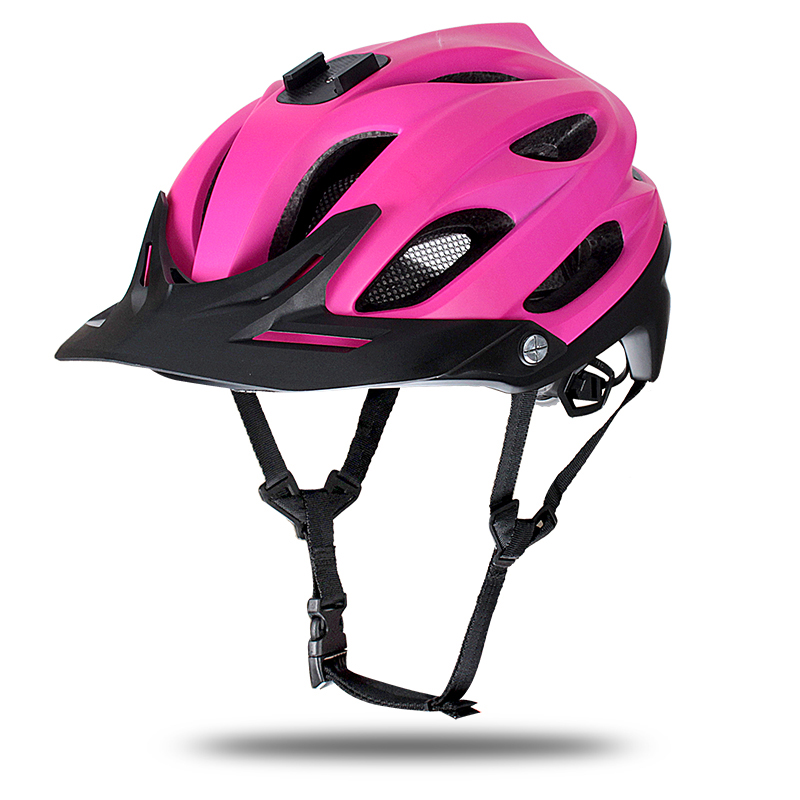
And what is more, we'll explore more about mountain bike helmets with visors, why we need it, how to choose and buy a proper bike helmet for ourselves.
Benefits of wearing Mountain Bike Helmet
The benefits of having a proper fit for your bike helmet are endless. This is especially true if you ride long distances. We can't do anything about the weather. We can, however, make sure that our heads are protected from the sun's harmful rays with a well-fitted bike helmet. It looks like a dull piece of metal, but it has a lot of protection.
The important thing to note is that a helmet isn't just for protection against crashes or falls; it is also an effective tool against sunburns, heatstroke, and even skin diseases like psoriasis and eczema or other skin problems caused by extreme temperatures or extreme heat.
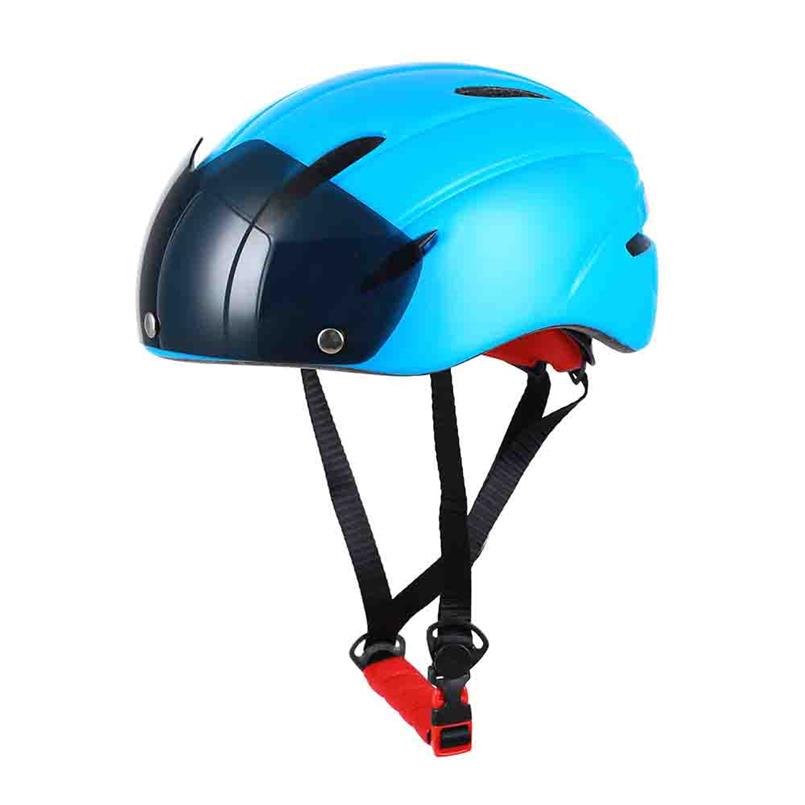
Why we should wear a Urban Bike Helmet?
The reason why you wear a motorcycle helmet is not only because it protects your head and body from the harsh elements but also because it serves as a necessity in any situation that calls for safe driving. If you are involved in an accident or run into an extreme weather condition, the chances of a serious injury will increase greatly if you do not have the proper safety measures on your person.In fact, according to the American Academy of Pediatrics (AAP), bicycle helmets are recommended by the children between ages 5-18; however, they are generally recommended for children between ages 5-10. However, even though this age range is mentioned, most people started wearing bicycle helmets at around 50 years old which can be considered as young adults and teenagers when compared with their peers who usually start wearing them at around 70 years old and above.
How to choose and fit a bike helmet
Another way to measure your head size is by using a head-geometry chart like this one from Hype Wristband, which describes how much space above the ears, below the eyebrows, and in between the eyebrows should be occupied with each earhole and how much space should go around each side of the nose and mouth (the "v" shape). This measurement is important if you want to buy an adult-sized bike helmet because it will help you determine whether or not it fits properly.If you don't have access to any bike helmet sizing tools, there are four basic steps in determining which type of motorcycle helmets best suits you:
Step 1: Size Yourself
Measure yourself and compare that measurement against one of these sizing charts:
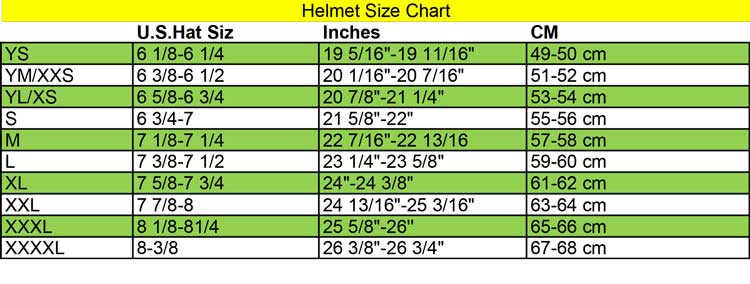
The first step in determining what kind of helmet best fits your needs is finding out what the inside diameter (ID) of the helmet is:
The interior diameter (ID) determines whether the helmet can cover your entire face without any gaps or overlaps between the pieces of your face and skull:
A good rule-of-thumb when fitting helmets is [the lid should hug around your head like a warm blanket":
If you want it snugger with no gap between the sides where air can escape while biking or snowboarding then choose a smaller helmet size (generally 7-8). If you want it looser with lots of space between side pieces where air can escape then choose a larger size (generally 9-10).
Once you know what size helmet fits who, take off each part of the helmet until at least halfway down from your forehead – this helps eliminate those overlapping gaps above your eyes.
Step 2: Determine Your Helmet Fit
This step helps determine whether or not you can properly wear that specific kind of motorcycle jacket. The following chart explains how much room should exist above your eyes, below your eyebrows, in between your eyebrows (the "V"), and around each side of the nose and mouth (the "V" shape) for each earhole mouthpiece location on a motorcycle jacket. This measurement helps determine whether or not that specific motorcycle jacket will allow enough breathing room for whoever wears it at all times.
Step 3: Make Your Decisions Based on Your Measurements
You're done! You've made some crucial decisions based on those measurements! Congratulations! Now all that's left is buying just one product -your new custom-fit motorcycle helmets -to keep up with everyone else who's outfitting themselves with high-performance jackets all day long!