

People often ask about when to replace a bike helmet. The answer is not always simple because it depends on the type of helmet, how it's used and how well it's taken care of. Today we'll talk about this issue very throughly.
The general suggestion when to repace a bike helmet:
A Bike Helmett is an important piece of gear for cyclists of all ages, but when should you replace your old one? The answer is not always straightforward, as a variety of factors can affect how long a helmet will last. In general, most helmets should be replaced every three to five years, but some can last up to 10 years with proper care.
Bike helmets are designed to protect against one-time impacts only. After a fall or collision, the foam inserts in the helmet will compress, and the helmet will no longer offer adequate protection. If your helmet has been in a major crash, it needs to be replaced immediately. Even if there doesn`t appear to be any damage, it`s best to err on the side of caution and replace it anyway.
Helmets also expire after five years, regardless of whether they have been in a crash or not.
Helmets that are used frequently and/or in aggressive sports should be replaced more often than those that are only used occasionally or for more leisurely activities. And if a helmet has been in a crash, it should definitely be replaced even if it doesn't appear to be damaged.
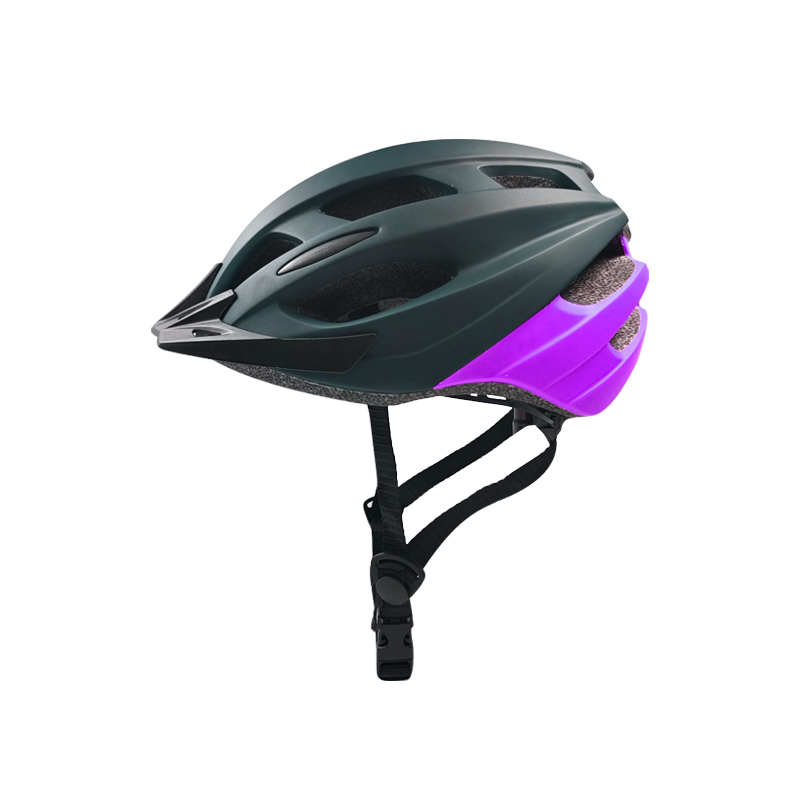
Types of Bike Helmets
There are various types of bike helmets available on the market.
The most common type is the hardshell helmet. This type of helmet is made up of a thin, hard plastic shell with a foam liner. The hardshell helmet is durable and offers good protection against impacts. However, it can be quite heavy and can make your head feel hot in warm weather.
Another type of helmet is the softshell helmet. This type is made up of a thin, soft plastic shell with a foam liner. The softshell helmet is lightweight and ventilated, making it ideal for hot weather conditions. However, it does not offer as much protection as the hardshell helmet in the event of an impact.
How to know when to replace a bike helmet
There are a few things to consider when deciding when it's time to replace your bike helmet. The most important factor is whether or not the helmet has been damaged in any way. If it has, it needs to be replaced. Other factors to consider include whether you have had the helmet for a long time and how often you use it. If you only use your bike for occasional rides, a new helmet may not be necessary.
A bike helmet is an important investment in your safety while riding. But how do you know when it's time to replace it? Bike helmets are designed to protect your head in the event of a crash, and should be replaced after any significant impact. However, they can also last for several years if you take care of them. Here are a few tips on how to know when it's time to replace your bike helmet:
Noted: Replace bicycle helmet after crash
When you're out riding your bicycle, you want to make sure that you're doing everything possible to stay safe. One of the most important things you can do is wear a helmet. Not only does it protect your head in the event of a crash, but it also keeps you cooler on warm days. However, just like with a bicycle helmet, your bicycle helmet will eventually need to be replaced after a certain number of crashes. You should you replace a bike helmet after an accident in most cases!
How long are bike helmets good for?
There is no one definitive answer to this question as it depends on a variety of factors, such as how often the helmet is used, what type of terrain it`s used on, and how well it`s taken care of. However, most bike helmets have a lifespan of around three to five years. It`s important to replace a bike helmet after any major impact, even if there doesn`t seem to be any damage. A cracked or dented helmet may not provide adequate protection in the event of an accident.
What to replace for a Bicycle Helme by yourself
Biking is a great way to stay in shape, save money on gas, and have fun. However, biking can also be dangerous, especially if you don't have the proper safety gear. A helmet is the most important piece of safety gear for a biker, but what should you do if your helmet gets damaged or lost?
If your bike helmet is damaged or lost, you can replace it yourself by following these steps:
1. Measure your head circumference. You'll need this measurement to determine the size of your new helmet.
2. Go online or to a local sporting goods store and find a bike helmet that matches your head circumference. Make sure to choose a helmet that meets safety standards.
3. Put the new helmet on and make sure it fits comfortably. The helmet should be snug but not too tight.
bicycle helmets are not required in all states, but they are highly recommended. In some states, a bicycle helmet is required by law. All helmets must meet the Department of Transportation safety standards. bicycle helmets protect the head and brain in the event of a crash. A good quality helmet can protect the head and brain from serious injury. Helmets should be replaced every five years, regardless of how often they are used.
How to replace Cycling Helmet straps
bicycle helmets are typically good for 3 to 5 years, but this can vary depending on the make and model of helmet, how often it is worn, and how it is stored. Over time, the straps on a bicycle helmet can wear out and need to be replaced. Here's how to do it:
1. Cut the old straps about 2 inches from the buckle.
2. Thread each end of the new strap through the corresponding buckle.
3. Pull tight and tie a knot in each end of the strap.
4. Trim any excess strap material.
All the replacement should be done before helmets' quality expires.
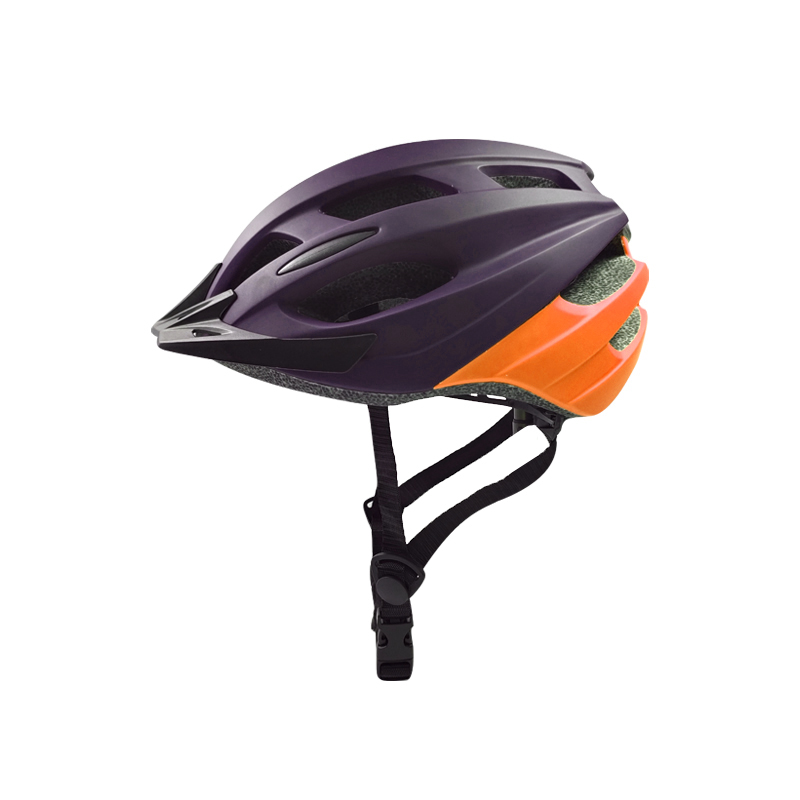
Conclusion: the importance of always using a Cycling Helmet
In conclusion, it is very important to always wear a bike helmet. Not only does it protect your head in the event of an accident, but it also keeps you safe from other hazards while riding. So make sure to always strap one on before heading out for a ride!