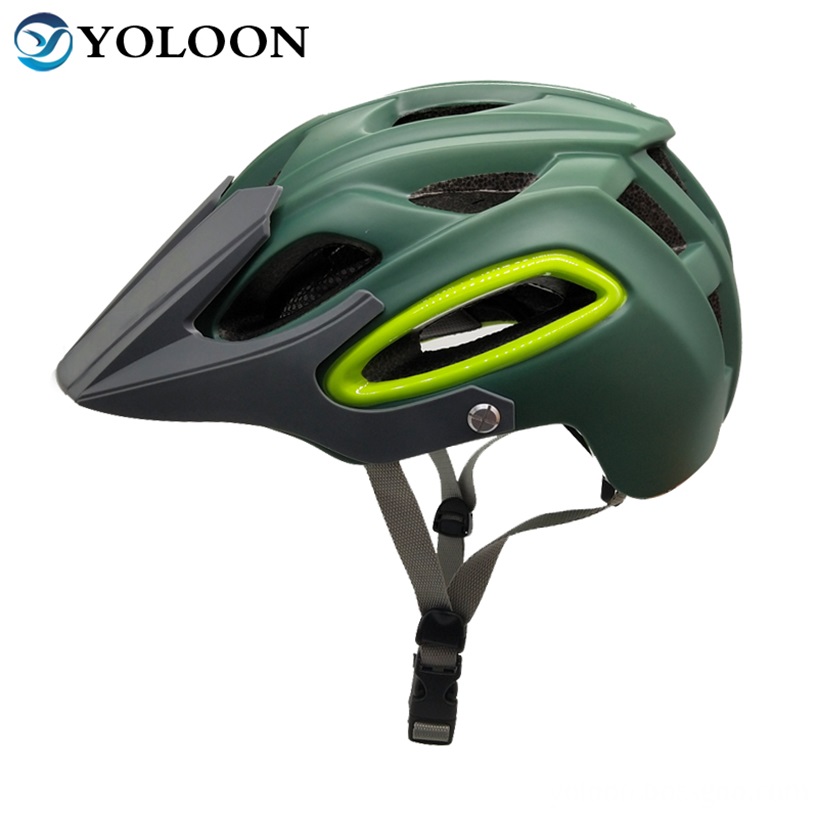
Shell
The shell is mainly the outermost protective shell of the helmet. The cheapest shell material is composed of PET, which is the same material as the mineral water bottle. Mainstream housings are usually made of polycarbonate (PC), glass fiber, and carbon fiber. All three shells are safe, the difference being the weight of the helmet and the behavior of the material during impact.
Polycarbonate (PC) material should be the shell material of mainstream helmets. This helmet is relatively "soft". In the event of an impact, the shell can also absorb some impact from the outside. In low-speed (bicycle) conditions , which performed best.
Fiberglass helmets are stiffer and stronger, and are often used with composites. Fiberglass helmets are generally lighter than PC helmets. Due to their rigidity, the outer shell hardly absorbs much impact, and usually requires a thicker inner liner to absorb impact. Usually used for skating, BMX bikes.
Helmet made of carbon fiber material, more sturdy. Often seen in high-speed motorcycle racing, it performs well in high-speed crashes, but not as good as PCs in low-speed crashes.
liner
The cushion is the part that comes into direct contact with the head, and is usually molded from expanded polystyrene (EPS) foam, although higher-end materials include expanded polypropylene (EPP), expanded polyurethane (EPU or PU), and more. Common helmet technology parts are divided into two types: MIPS and WaveCel.
MIPS is a thin, low-friction liner inside the helmet. When the impact occurs, it can reduce the rotation of the head with the rotation of the shell, and protect the head more effectively, avoiding the friction between the helmet and the ground to drive the head. part rotation.
WaveCel has an inner layer made of malleable plastic that forms a kind of 3D mesh. The aim is to wrinkle, bend and slide sideways at the moment of impact, acting like a suspension system that absorbs the rotational forces from the impact.
In terms of protection, WaveCel's protection effect is relatively good, of course, this type of helmet is also more expensive.
Tape
Helmet straps are usually made of nylon or polypropylene. They all look similar, but differ greatly in fabric, finish, weave and other subtle features.
Choose the right helmet
The most important thing to choose the right helmet is the right size, if you can try to wear it in a physical store and feel it.
Check fit:
The leading edge should not be more than 3 cm from the eyebrow. With the straps in place, push firmly up on the front edge of the helmet. If it moves back, the strap is too loose. Push the helmet from side to side, front to back: it should be comfortable enough that the movement will wrinkle the skin at the temples. Test that the straps are fastened enough to open your mouth halfway; the helmet should feel like it's pressing on top of your head. The front and rear straps should form a V-shape under and in front of the ear. A ponytail can change your fit, so be sure to try on a helmet with the same hairstyle you're riding.
The above is the information about helmets. If you want to know more news and product news, you can click our official website. We also sell Bike Helmet, Snow Goggles, Ski Helmet, Ski Back Protector, Skate Helmet, Skate Protective Pads, welcome Major customers come to consult.